

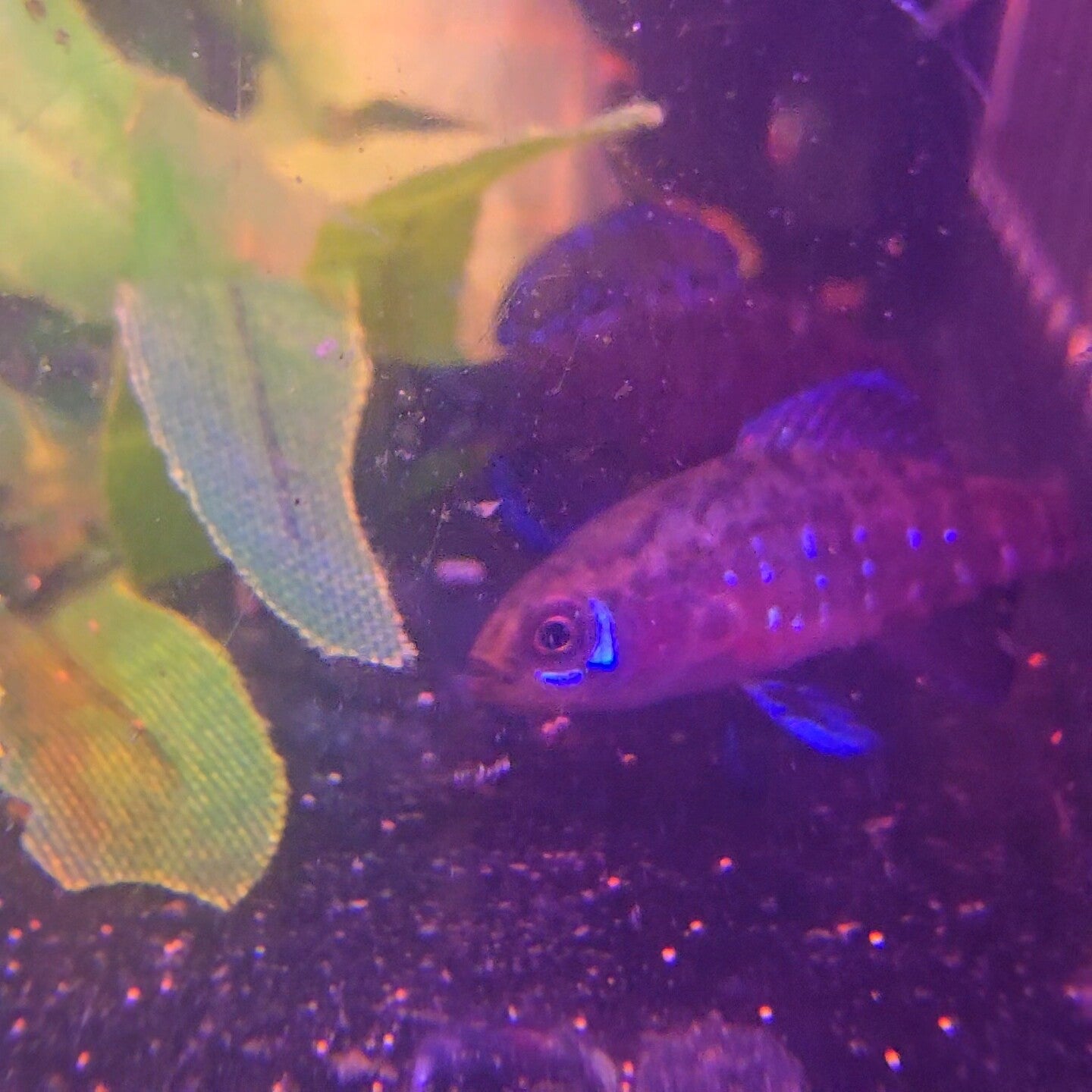
Welcome to Amanda's Aquatics fish care and guides! Here, you'll find essential information to help your Gulf Coast Pygmy Sunfish (Elassoma Gilberti) thrive.
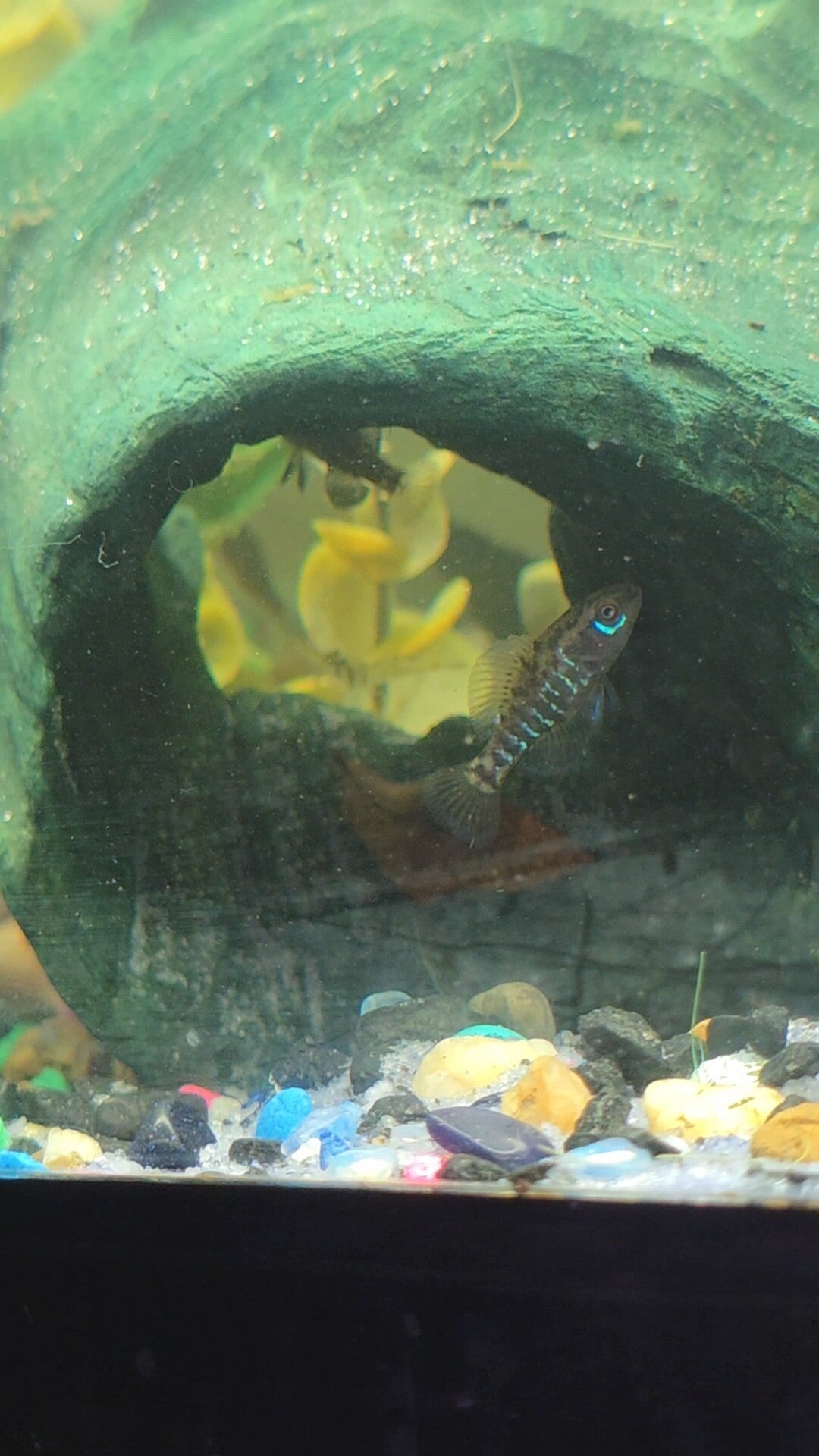

Basic care for your Gulf Coast Pygmy Sunfish
Elassoma Gilberti are delicate fish requiring stable water parameters, a heavily planted tank, and appropriate tank mates. Keep them in a well-established aquarium with plenty of hiding spots. They prefer slightly acidic to neutral water (pH 6.5-7.5) and temperatures between 68-76°F (20-24°C).

Acclimating your new Elassoma Gilberti
Upon arrival, proper acclimation is crucial. We recommend the drip acclimation method. Slowly introduce your aquarium water to the fish's transport bag over an hour or more. This minimizes stress and shock, ensuring a smooth transition to their new home.
The "cool winter rest" period
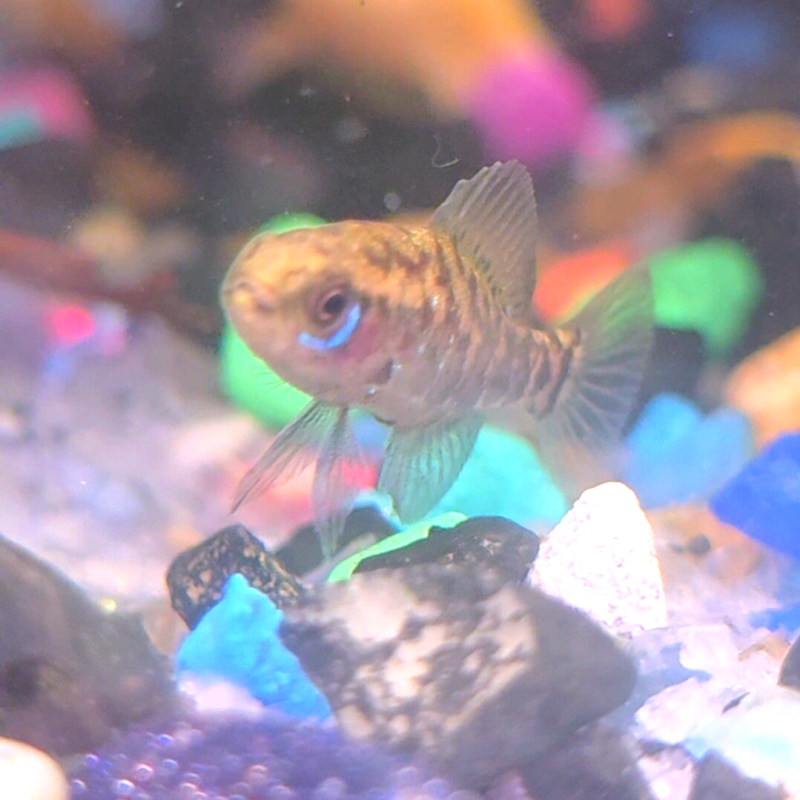
To encourage vibrant colors and successful spring breeding, Elassoma Gilberti require a "cool winter rest" period. During this time, provide a darker, more subdued environment with slightly reduced temperatures (around 60-65°F / 15-18°C) and less frequent feeding. This simulates their natural dormant period and prepares them for the breeding season.
Why Elassoma Gilberti are not for beginners
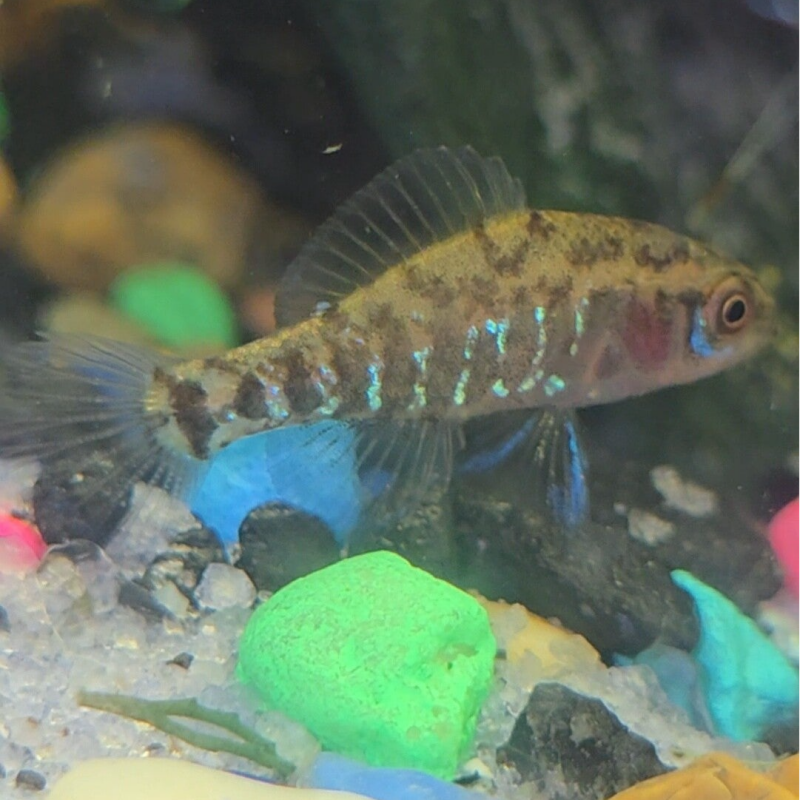
Due to their specific live food requirements and shy nature, Elassoma Gilberti are not recommended for beginner aquarists. They demand patient observation and a dedicated commitment to their specialized care, which can be immensely rewarding for experienced hobbyists.

Specialized feeding for Elassoma Gilberti
Elassoma Gilberti are obligate live feeders with a high metabolism. Cultivating a steady supply of microfauna like Daphnia, copepods, and scuds is non-negotiable for their long-term health and vitality. They typically will not accept flake or pellet foods.

The quantifiable code of the "wiggle-woggle dance"
The courtship and sparring display of the Elassoma Gilberti is a sophisticated, quantifiable system of communication. The two pelvic fins are rapidly waved, creating a blue-black-blue-black flashing signal against the body. The tempo directly reflects the message; for example, maximum aggression (attack signal) doubles the speed to an 8/4 time tempo.

Senescence: the "change of life"
These fish have a short lifespan of about one year, limiting their intense spawning window. An elderly male (king of the tank) loses his vibrant blue color, turning a uniform darker black, yet retains dominance through "elderly grace," enforcing his rule without frequent, energy-intensive displays. An elderly female becomes visibly large and plump, losing her mottled pattern but retaining the blue glimmer below her eyes.

Contact us for more specialized advice
Have more questions about your Elassoma Gilberti? Don't hesitate to reach out to Amanda herself at catfrankandamanda@gmail.com or text her anytime (1-352-356-3187)